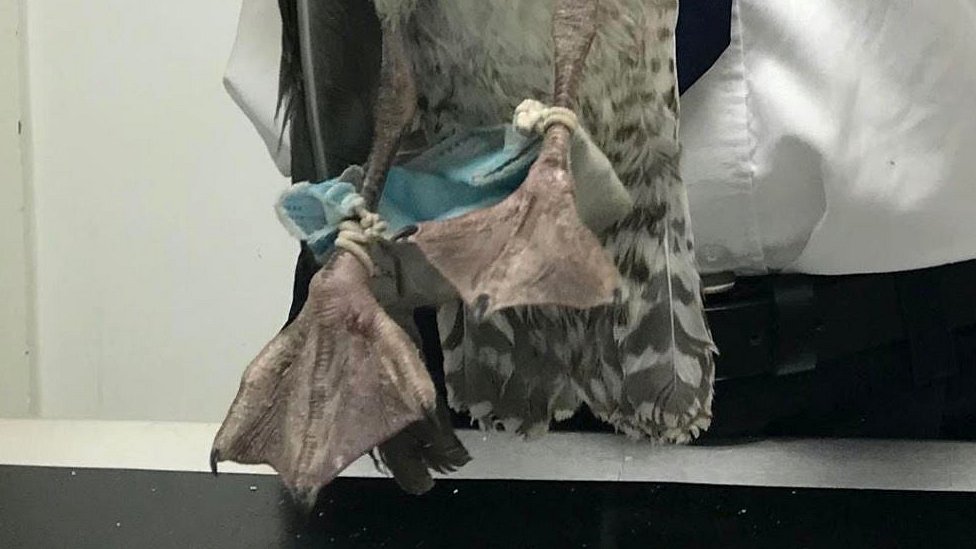
I worked for approximately half of this year as a Support Worker for people with learning difficulties, in two Assisted Living facilities in London. One of the most depressing dimensions of this for me has been the endless volume of plastic waste, spurred ceaselessly by the COVID-19 pandemic, and the way in which any focus on (or discussion about) the climate emergency has been sidelined by the pandemic. The law has promulgated that we use disposable masks endlessly, changing them several times per day in the course of our shift in order to “protect ourselves” and the people we care for. In reality, this is a totally warped and human-driven notion of “care”, since it causes relentless damage to the ecosystem and kills non-human life. It is not difficult to find pictures of sea-birds trapped in the plastic trinkets we use to protect ourselves. It is “anti-social” care, as opposed to “social care”, because it involves an anti-care for the ecosystem in which we originate and emerge from, and makes all of our activities possible.
The COVID-19 pandemic is inextricably linked to climate change: the two are inseparable. Much of the world population lives in heavily-polluted environments. If urban centers become less polluted, this will reduce complications from global pandemics. Health and social care – which is usually mysteriously off the hook – accounts for 39% of public sector carbon dioxide emissions. Thus, it has been a tragic year for the environment. It has been tragic for policy-makers, for the government, and for regulators, to so radically sideline the climate as to make it a non-issue. The COVID-19 pandemic should have alerted those who arrange the choreography of our social and health care systems to the essential truth that these systems depend on the health of the global ecosystem. In reality, all they have done is cauterised the COVID-19 wound with a gigantic toxic plastic plaster.
Companies are rushing to create biodegradable PPE products, and most medical supplies providers offer at least gloves designed to biodegrade in landfill. Yet I have seen and heard nothing about the urgency for, at the very least, adopting these products in the face of the climate emergency. 2021 should be the year in which the health and social care sector – enabled by government regulation – confronts its environmental responsibilities.

 Squidditas