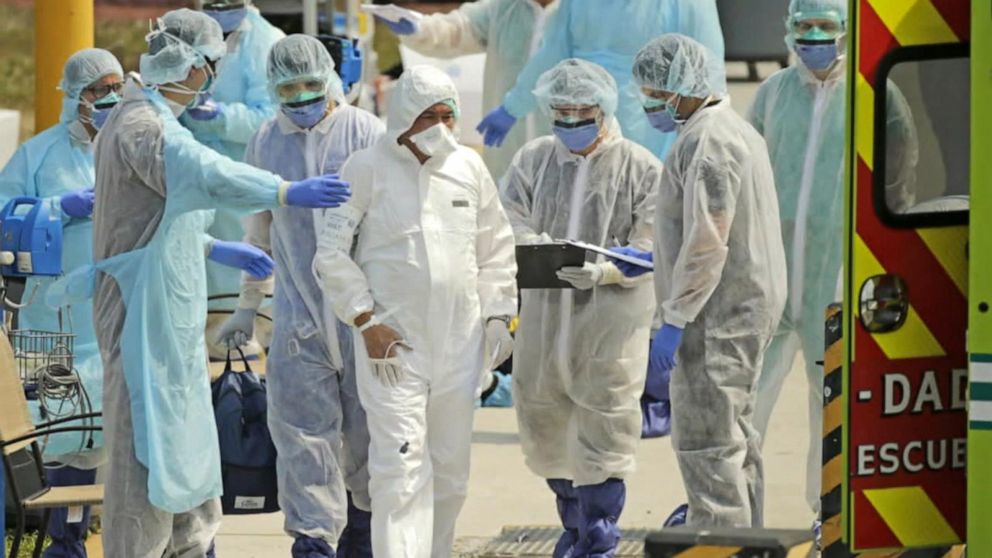
Graeber responds to the relationship between the COVID-19 pandemic and his tantalising notion of a “bullshit job”. His article in politico.eu suggests the tangible ways in which we have seen the visceral and stunning veracity of his analysis. To cut it short, the self-isolating media has presented us dogmatically with so many scenes of real people, really working, “local heroes” (in what is essentially propaganda speak), leaving their house and actually carrying out genuine tasks in the real world. Many of these have been traditional heroes, that society loves to celebrate and somehow fails to pay a decent wage (and, actually, increasingly even fails to provide with temporary work.) Doctors, nurses, teachers, paramedics. Then there have been the people who society totally depends on, but whose jobs have always been dismissed, or seen as stop-gaps in other projects. Supermarket workers, farmers, cleaners, etc. These were the only people who were ever doing any tangible work all along, even before the pandemic. Everyone else had jobs that existed in complicated legal and political networks. They were largely placeholders, and their jobs were often to self-consciously participate in the masquerade of the “economy”. In other words, they looked busy and preened, but it was an open secret that they were never doing anything at all. If they were doing a single thing, it was largely looking important, participating in needlessly complicated chains of delegation, and using bizarre and meaningless management word-salad in order to justify their frail existences. For Graeber, Coronavirus has illuminated this obvious reality, this open secret.
The reality of this analysis is testified to the endless scenes that are regurgitated in the media. Endlessly, we are presented with the sheer novelty of scenes of people “working” – actually doing stuff in the physical world. These scenes, in of themselves, are part of the Bullshit Job Economy. They are foisted upon us by a media that, in turn, is comfortably self-isolating, and many of the media personnel who reproduce and discuss “real work” are better off than the foolish and plague-catching “real workers” they depict. Similarly, politicians – who have been unable to physically debate issues and to look important in public – celebrate and debate “real work” and “real workers” from the comfort of their own living rooms. All of this reinforces the contradictions of the modern economy. It shows a managerial, professional and political class increasingly divorced from the reality of anyone who does “real work”. They are literally physically distanced from the organisations they manage and govern. They cannot access them since they have no genuine reason to be there.
Zoom has become a bete noire in this wonderful contradiction. I remember working as a care worker in the latter half of 2019, and observing the strange new role that Zoom had begun to undertake. Meetings used to be a roll call of people who were at least visibly there, and seemed to be doing something, even if it was just being present in an office. Now, meetings are exposed as what they are. They are self-perpetuating meetings. Many of the people who schedule and convene Zoom meetings are those comfortably self-isolating and who have high salaries. In the meantime, the actual workforce – the “essential workers” who have been doing the actual work during Coronavirus – have been subjected to these meetings, many of which have had no tangible relationship to the workplaces they inhabit. The result is really odd disassociation between management and what have often been termed “key workers”. Those who have had bullshit jobs have been given clearly better deals (or what have been perceived to be better deals) than being forced into the world to catch and transmit Coronavirus for less money and a temporary job.
In the mean time, Universal Basic Income – which is one of Graeber’s tentative policy recommendations – has been increasingly part of UK political debate. It has made so much more sense. Actually, as a care worker, I felt extremely sorry for the middle management. Coronavirus had deprived them of the opportunity of having meaningful jobs. In the past, their one solace was that they got to interact with the people the organisation cares for, and that made working in an administrative or managerial capacity worthwhile. Now, I felt increasingly like they were confined to, or imprisoned in, Bullshit Jobs, and there wasn’t much they could actually do about it. They were locked into a kind of existential struggle, in which nobody was looking over their shoulder and yet they had to fight to justify their existence, to themselves.
Consider if so many of the people who had actually deserved the privilege and desire of doing nothing had been able to do so. Consider if the world had a functioning and consistent welfare system, in line with the reality of the post-industrial economy. Perhaps the Coronavirus pandemic has allowed us to resist utopianism and confront the contradictions of the economy we live in.

 Squidditas